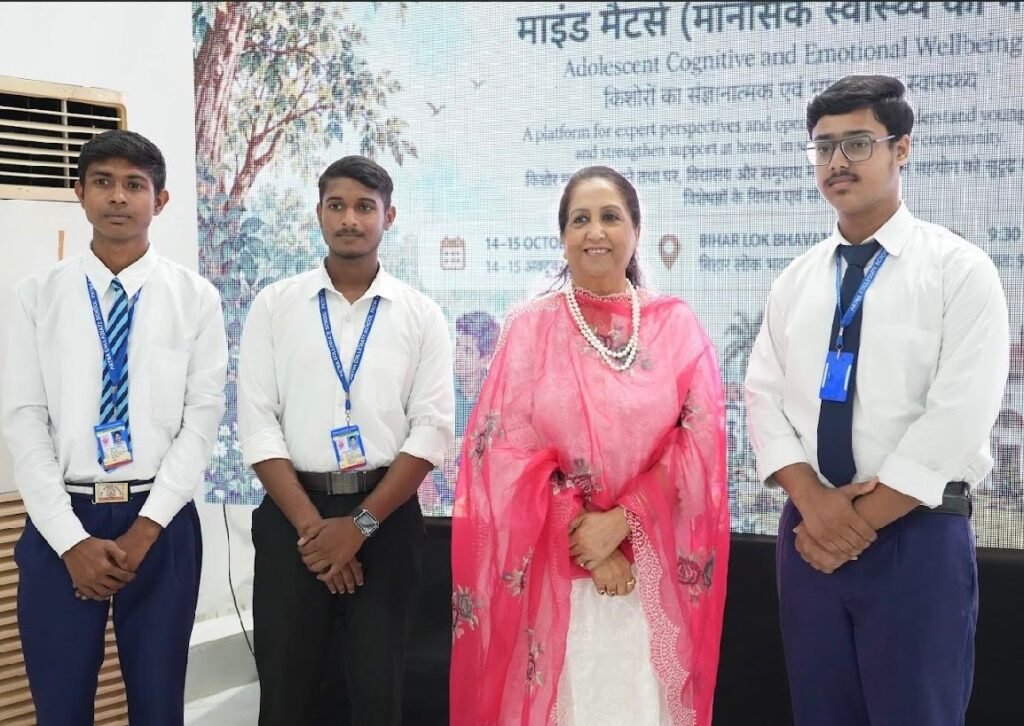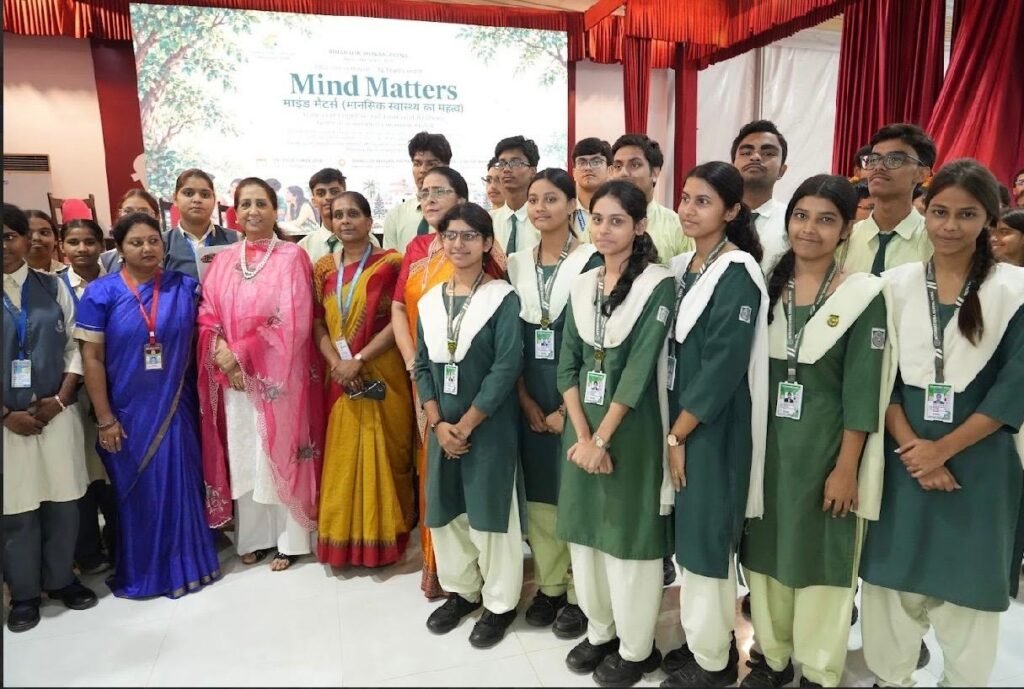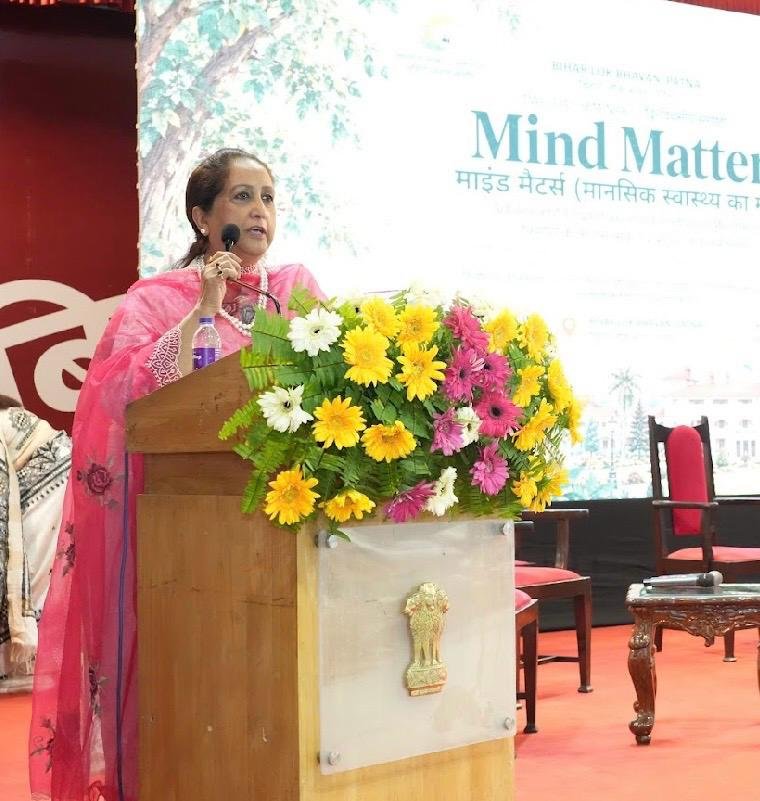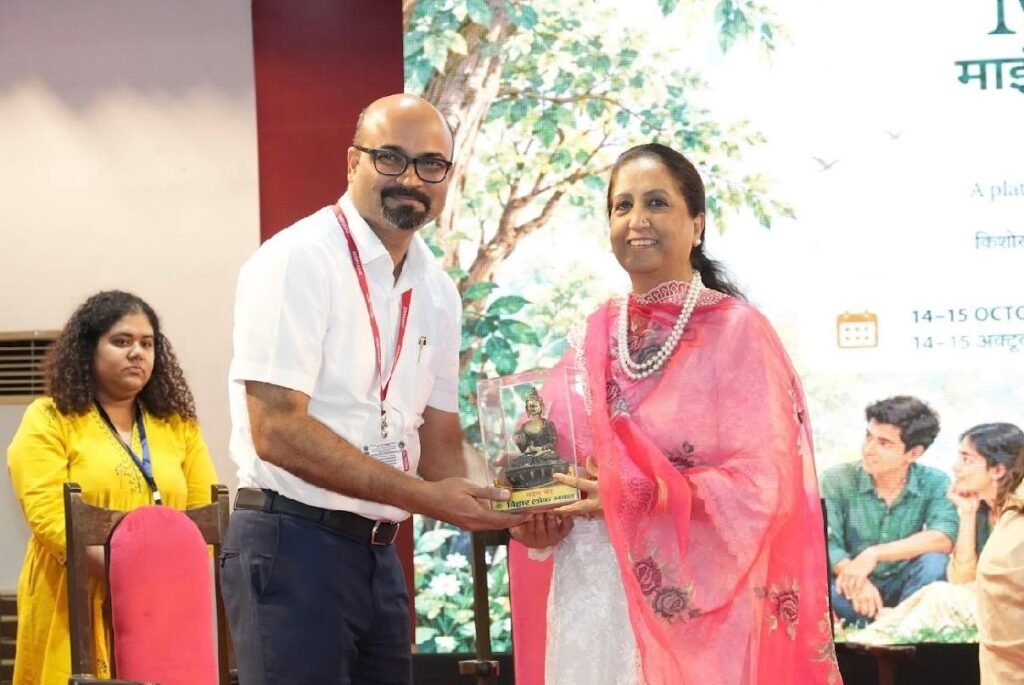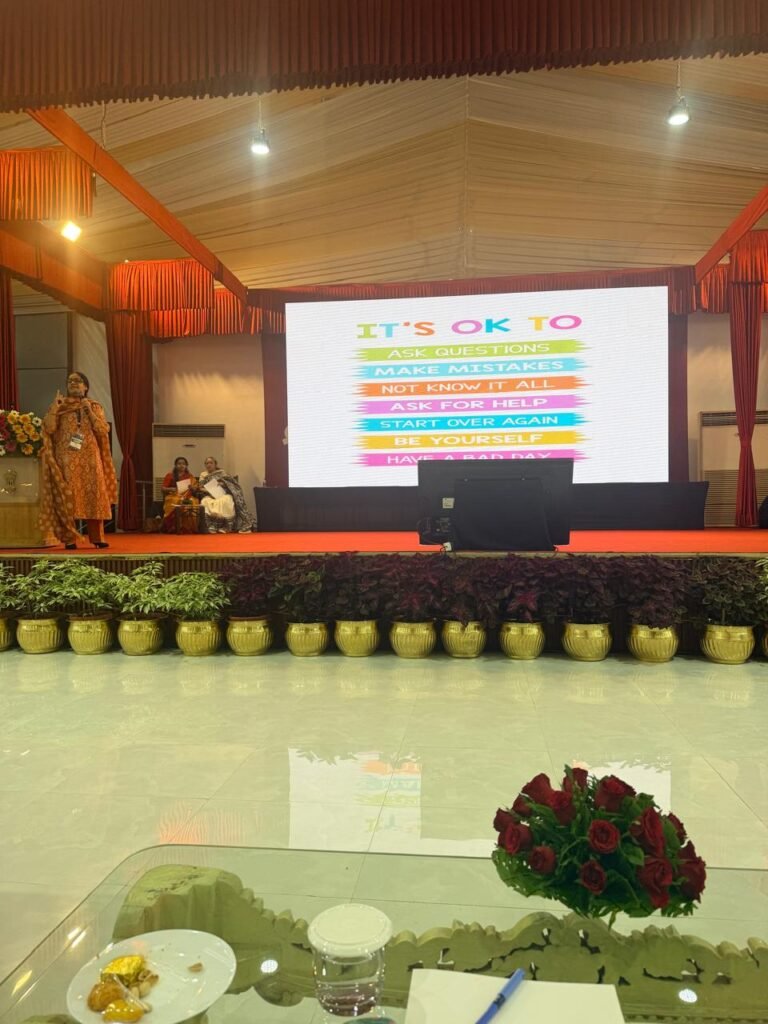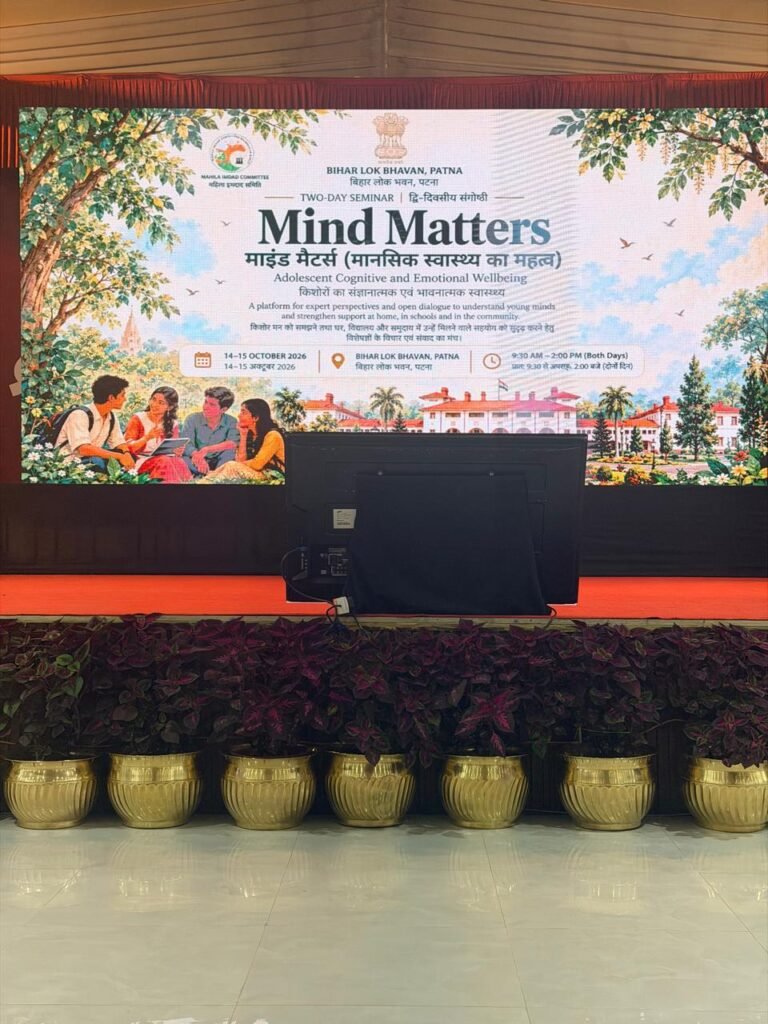

A Two-Day Seminar by Mahila Imdad Committee at Lok Bhavan, Patna, Bihar
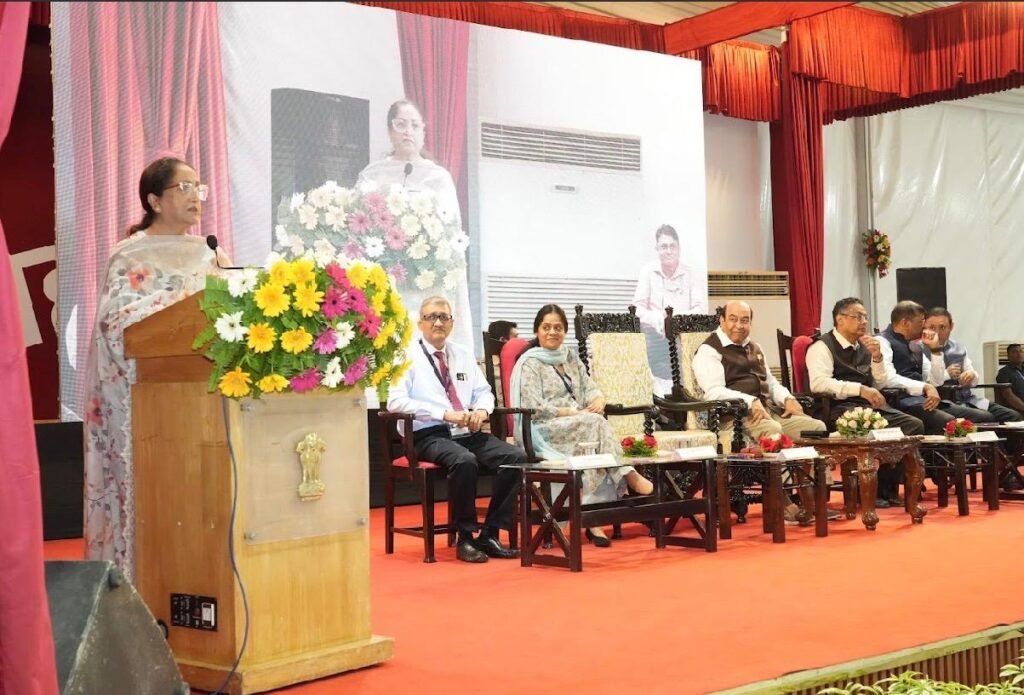
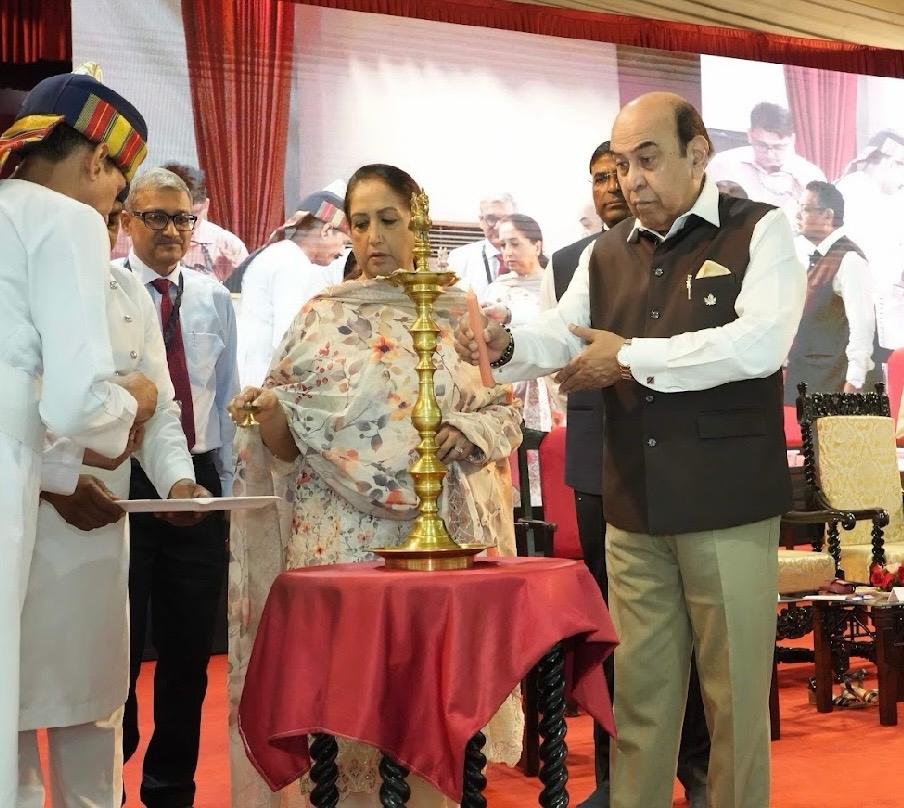
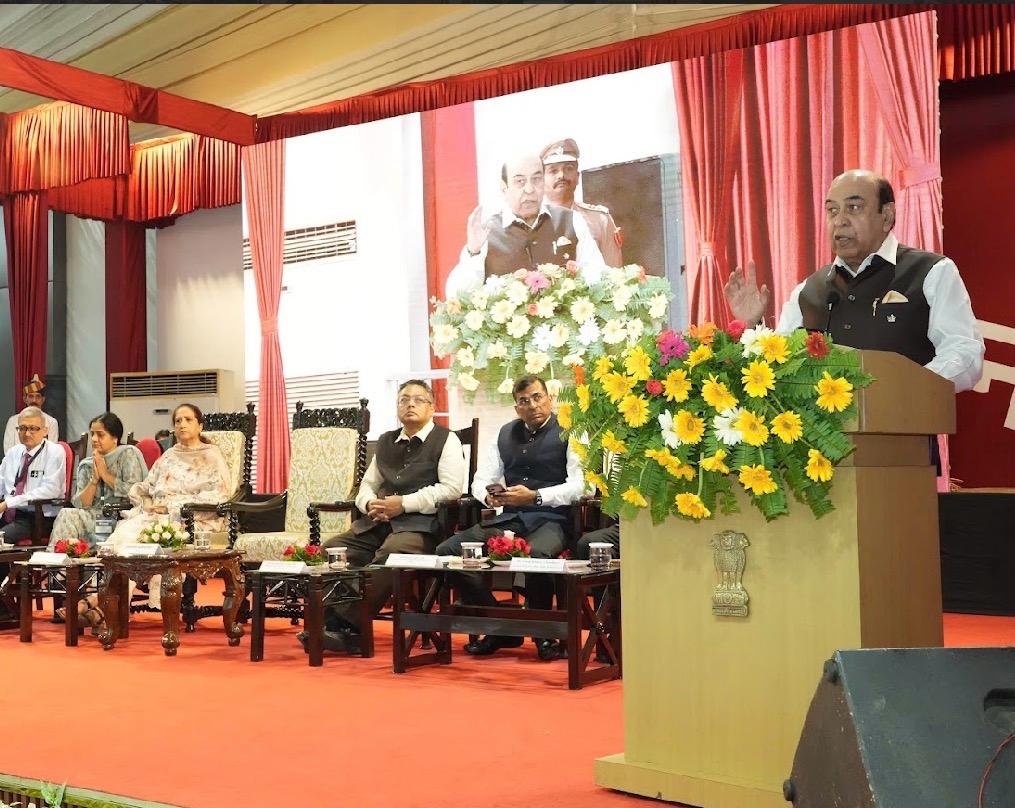
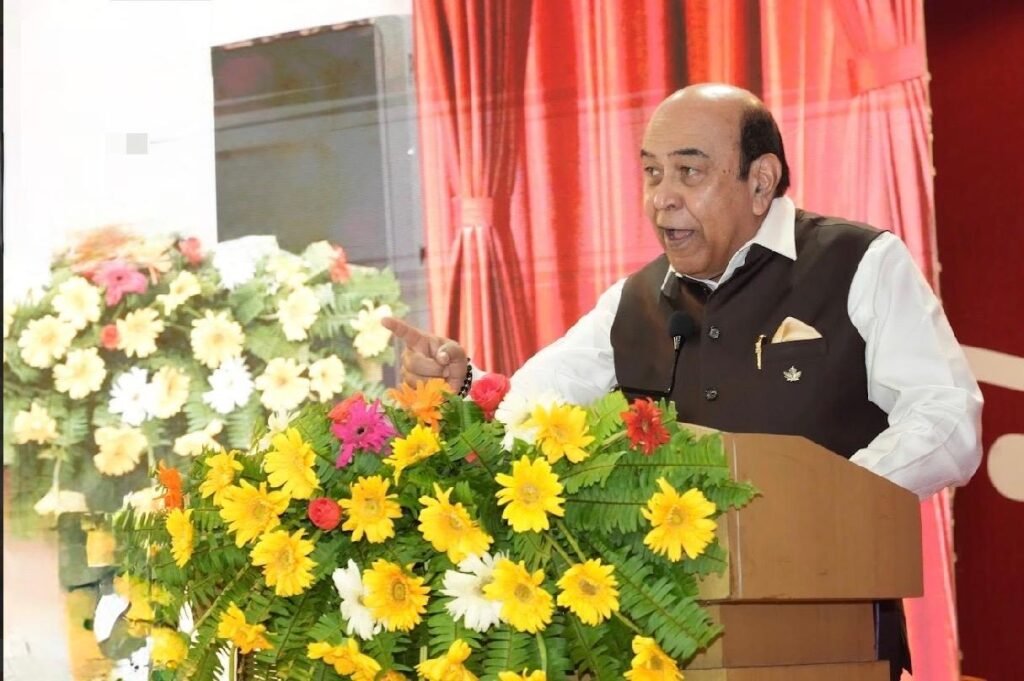
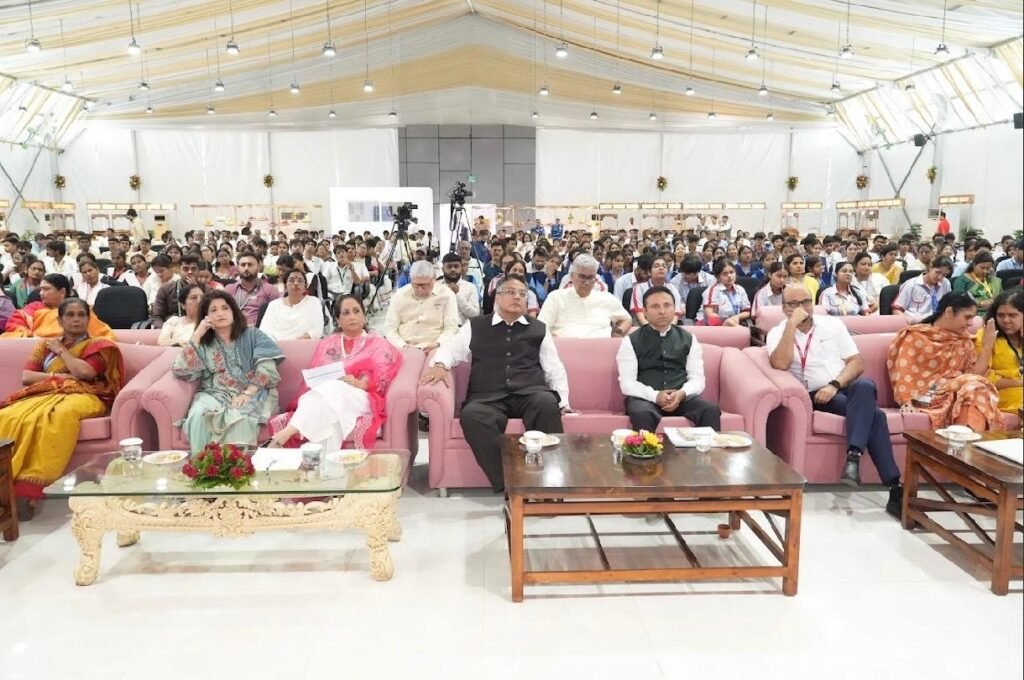
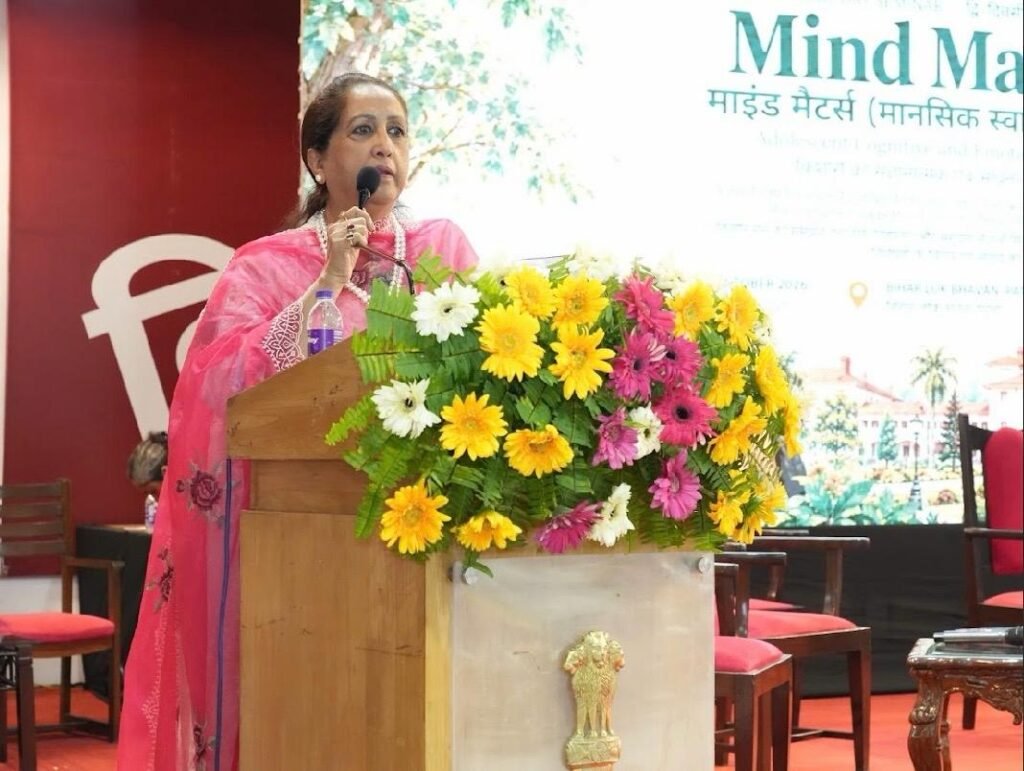
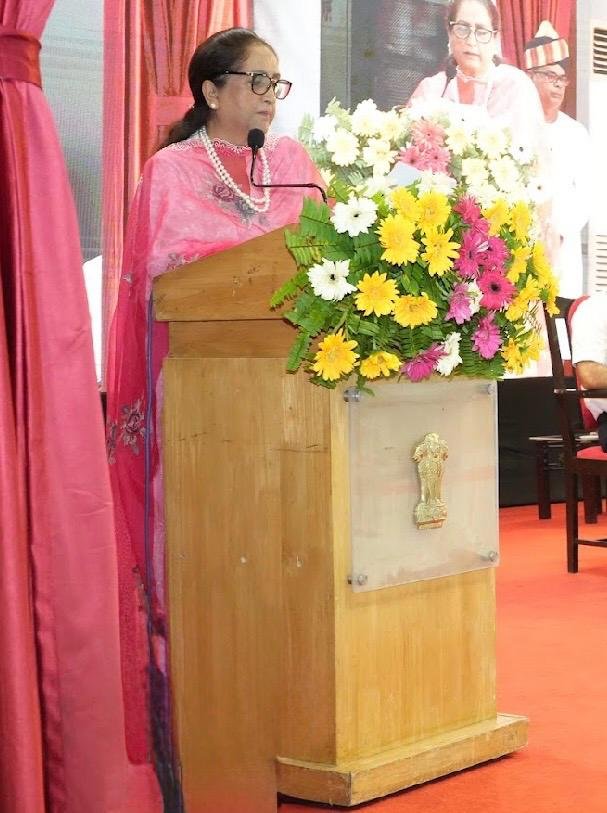
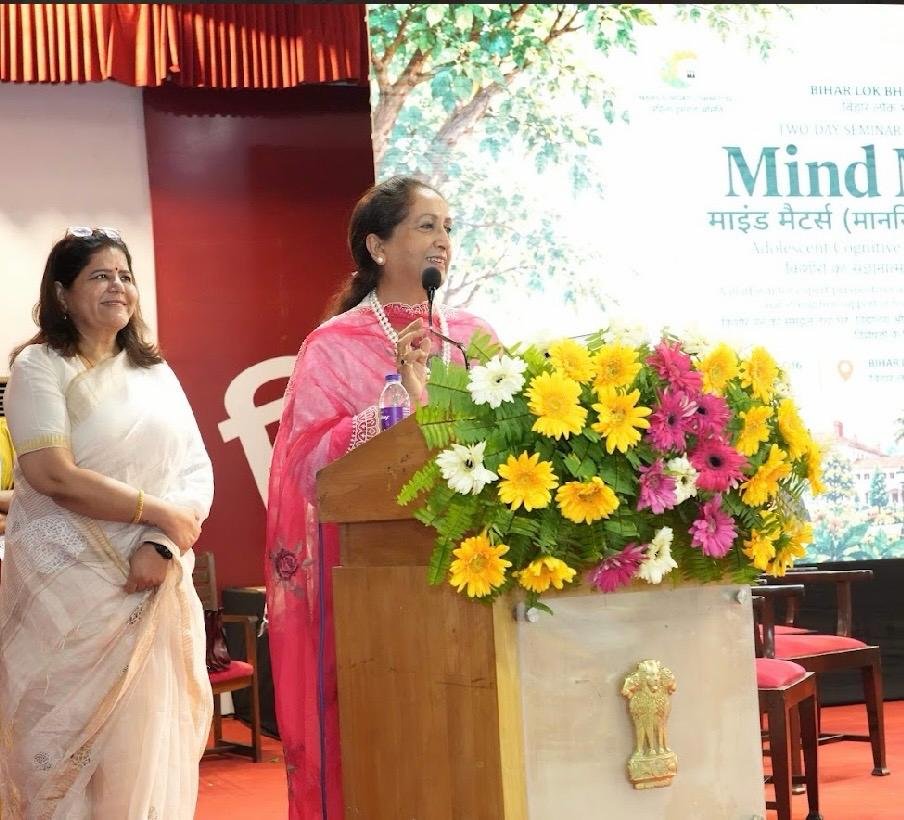
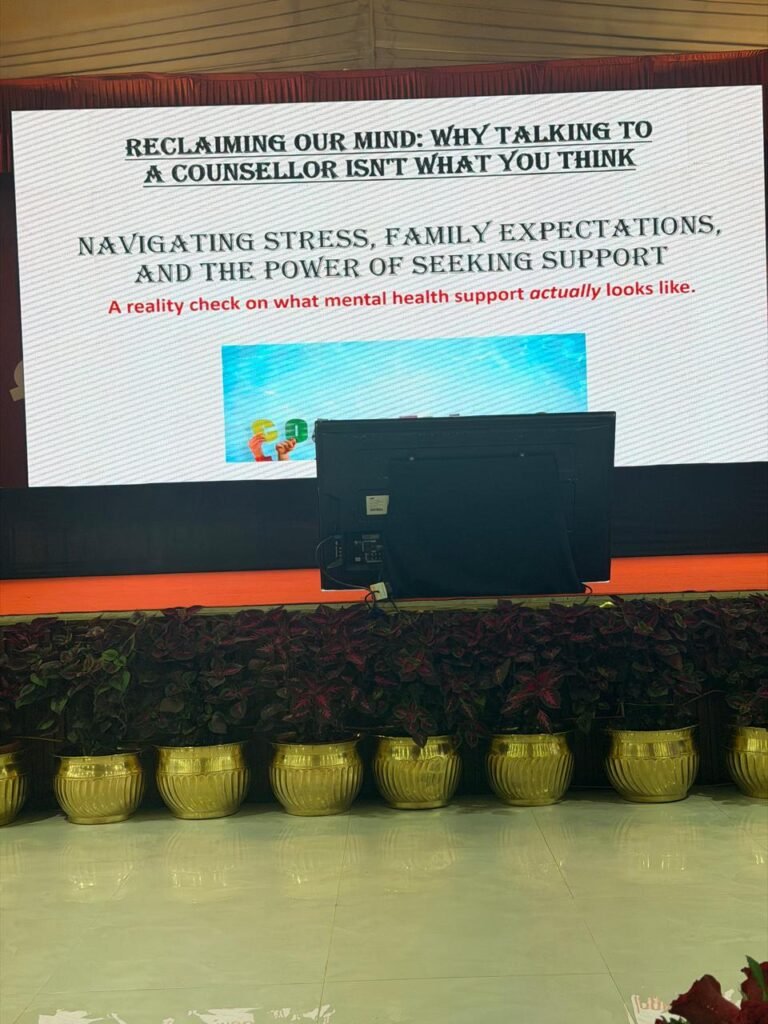
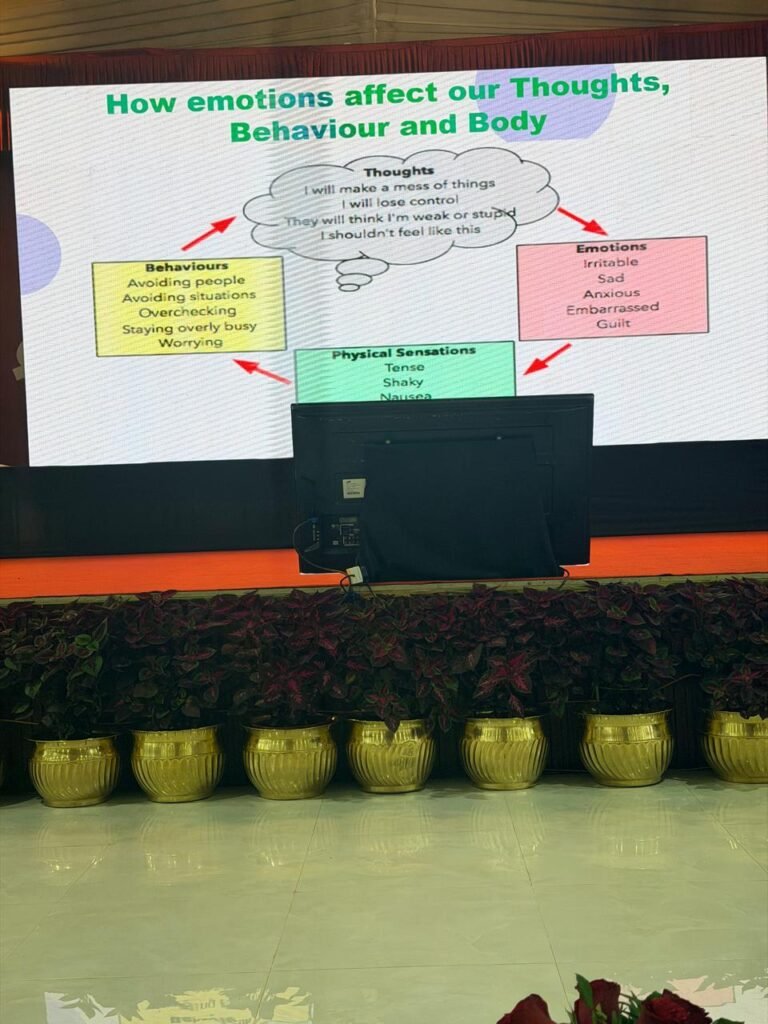
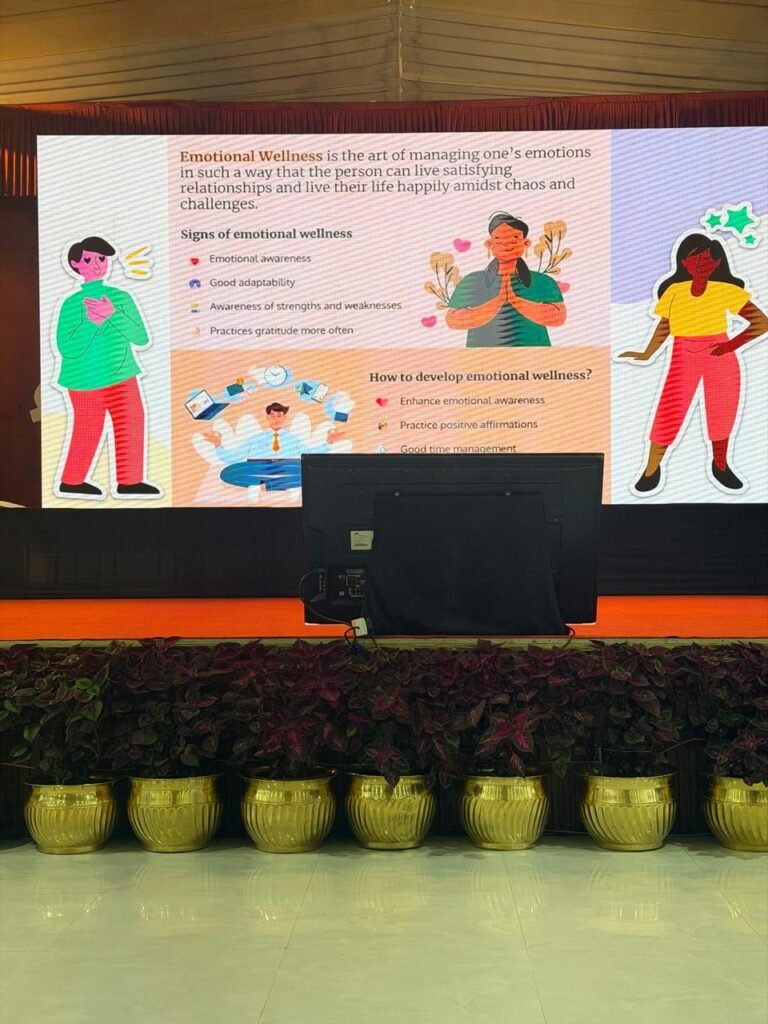
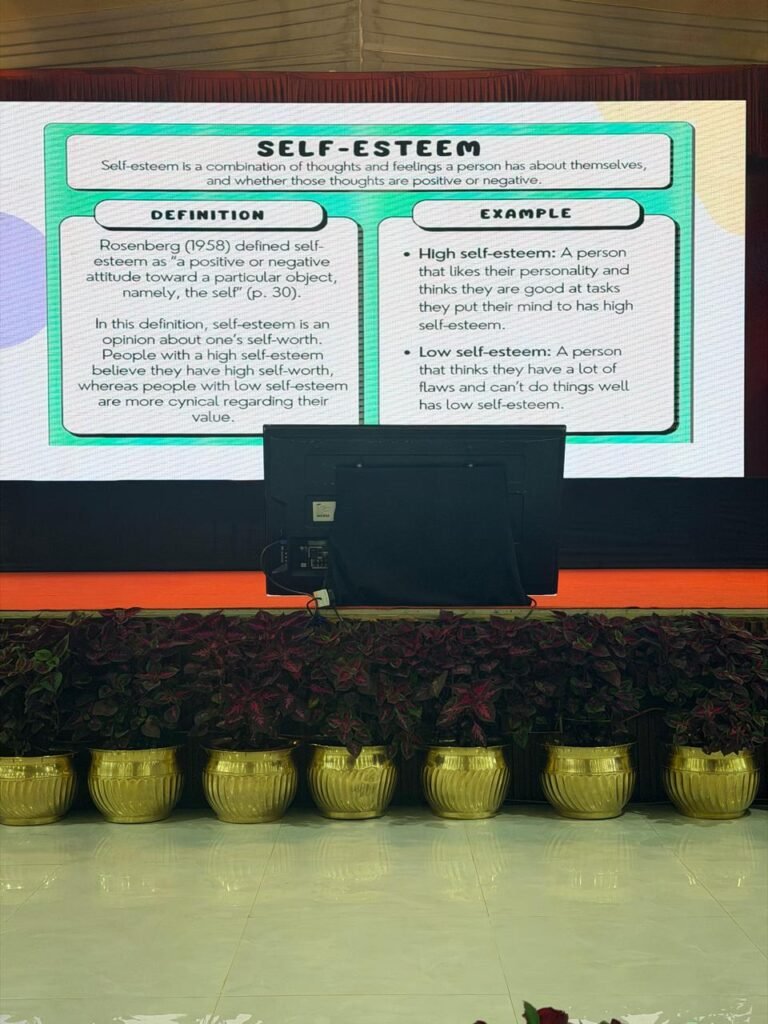
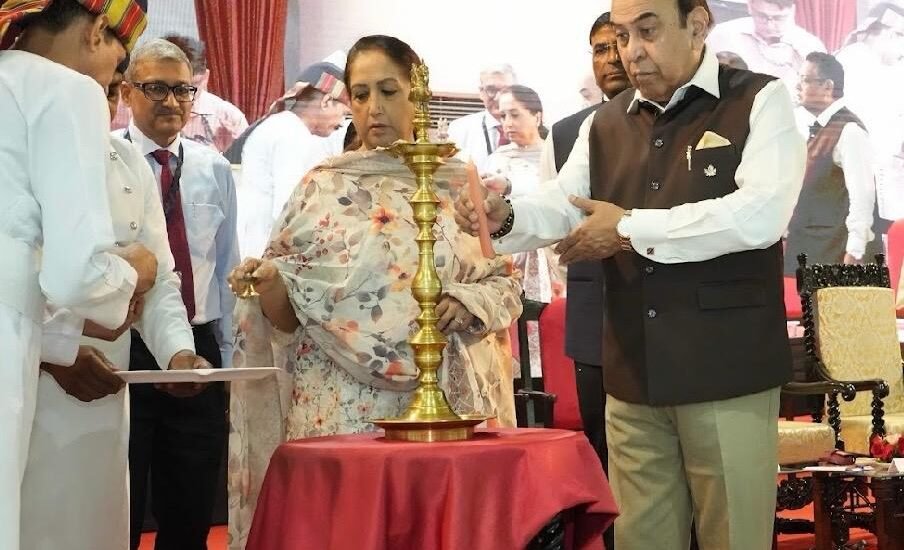
The mental well-being of children and adolescents is an issue that deserves our collective attention, empathy and action. With this belief, a two-day seminar on the mental well-being of children and adolescents was organised by the Mahila Imdad Committee at Lok Bhavan, Patna, bringing together parents, educators, students and mental health professionals for an important and meaningful conversation.
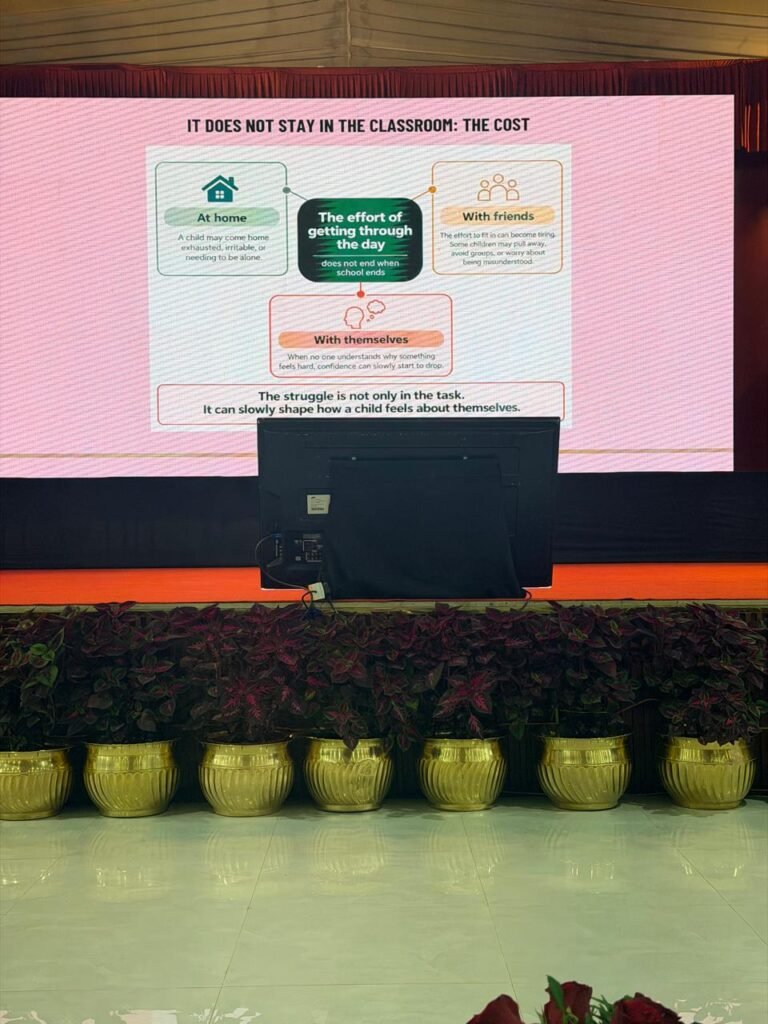
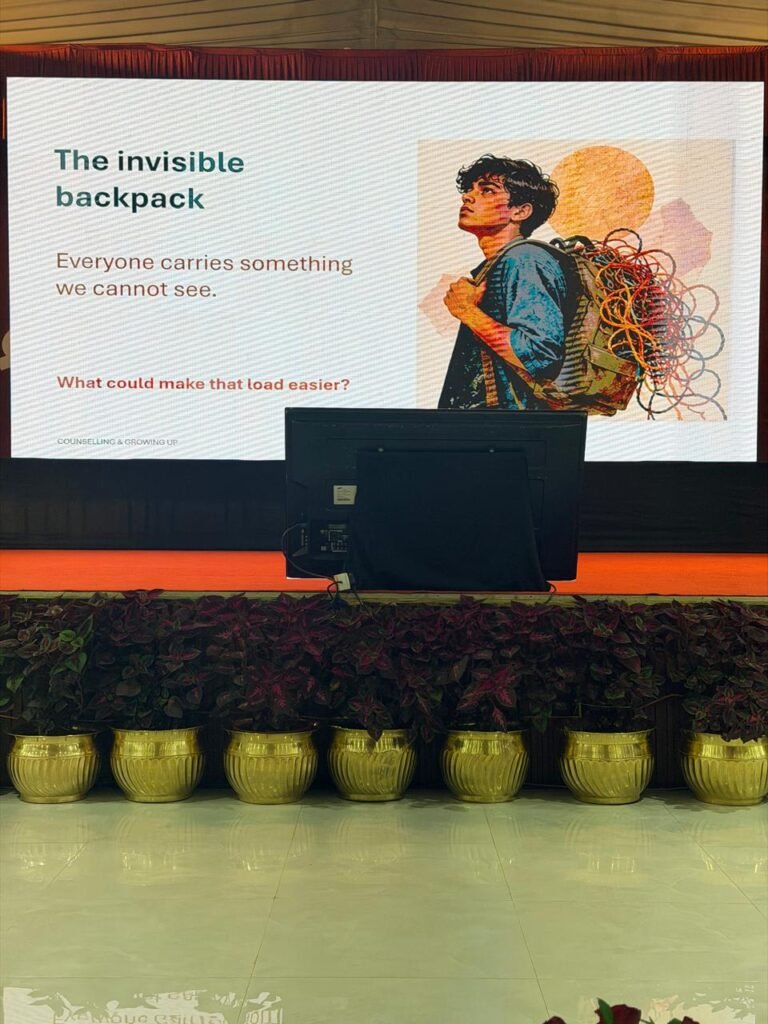
As we prepare our children for academic success and future careers, it is equally important that we nurture their emotional resilience and help them navigate the challenges of growing up. Behind a child’s smile or apparent confidence may lie anxiety, loneliness, peer pressure or the fear of not meeting expectations. Recognising these struggles and creating an environment in which young people feel safe to express themselves is essential to their overall well-being.
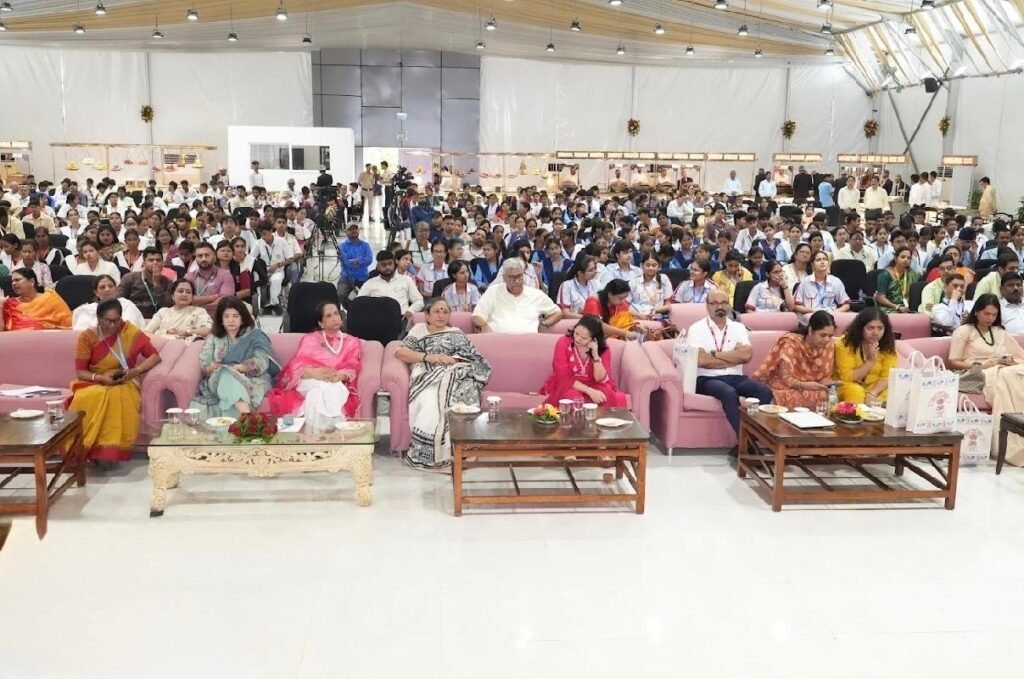
Bringing Parents, Educators and Students Together
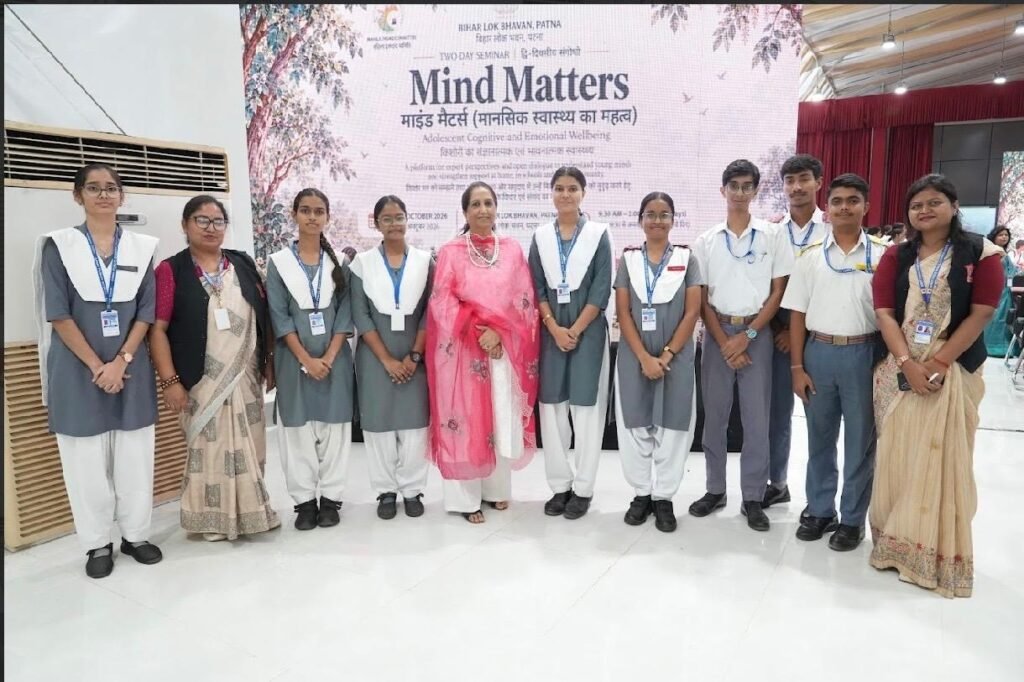
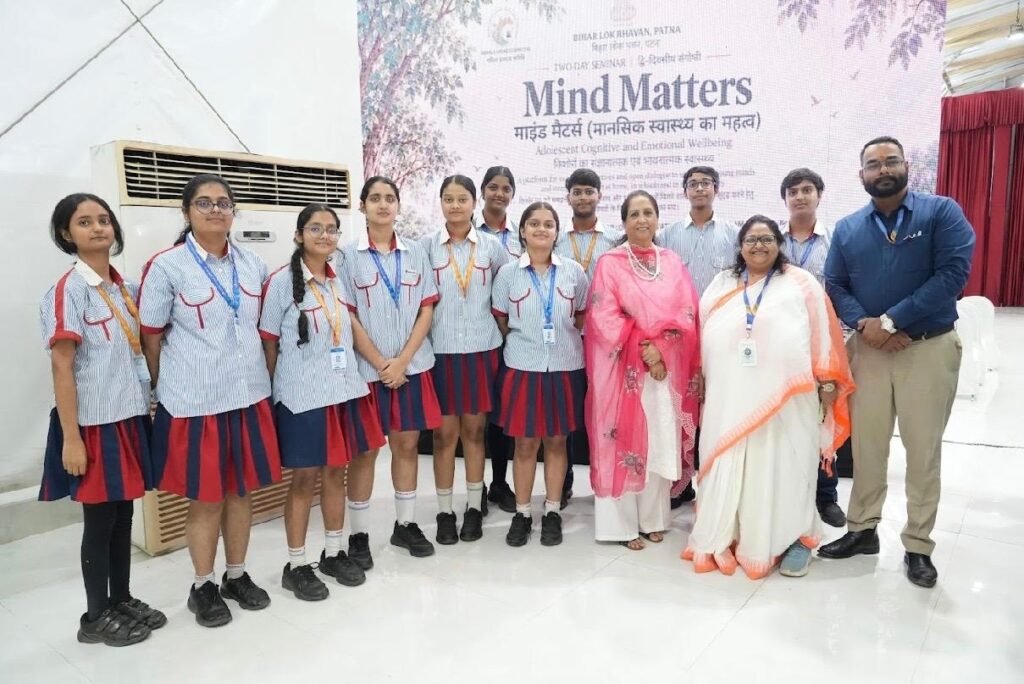
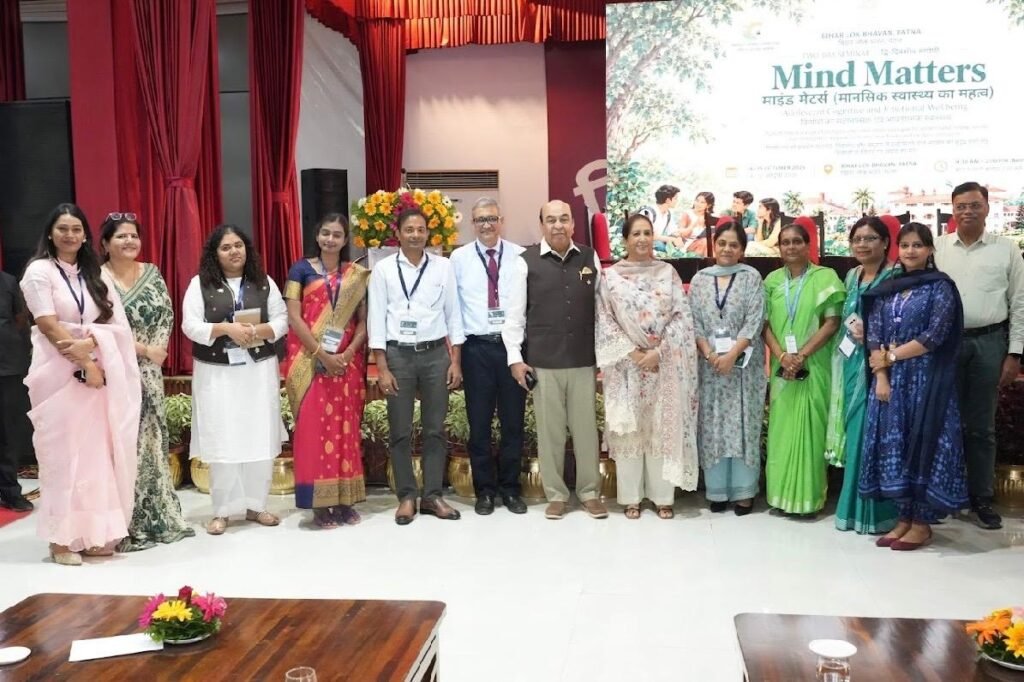
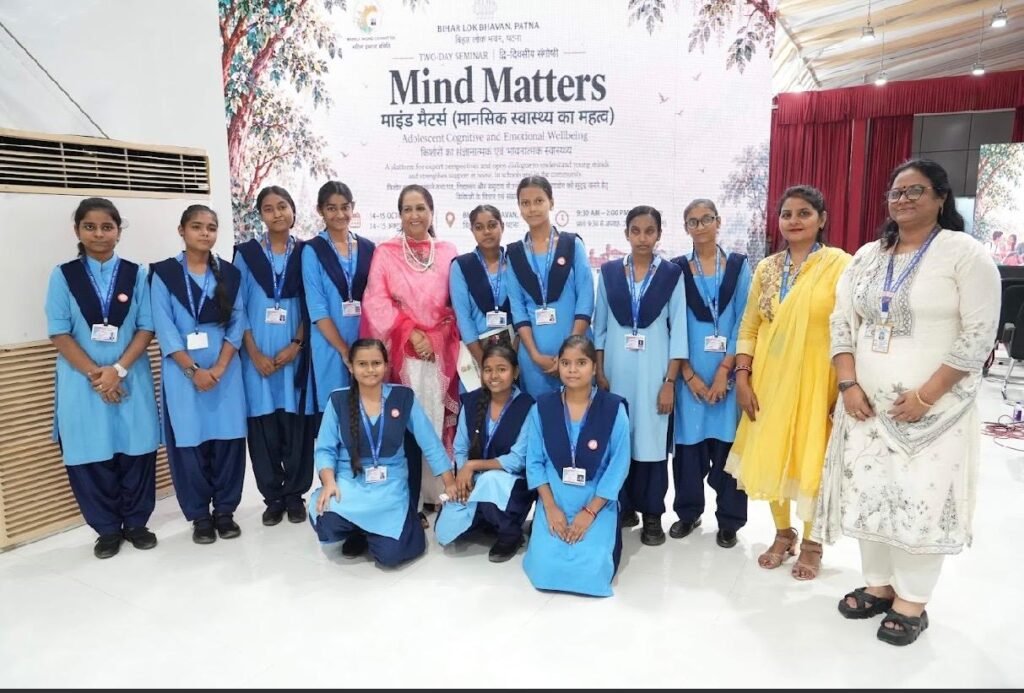
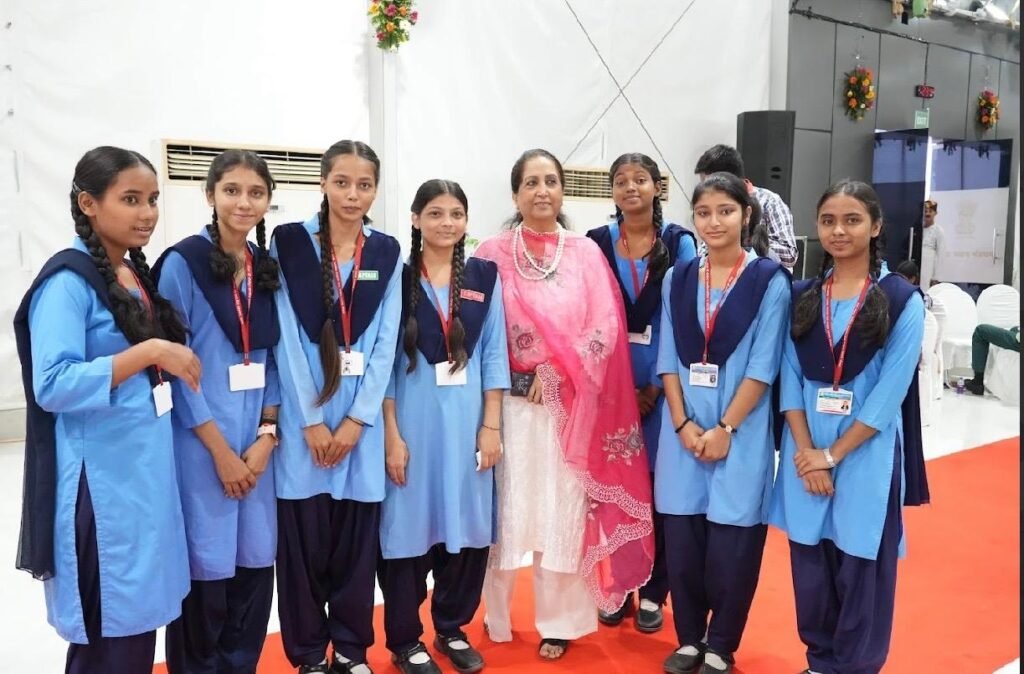
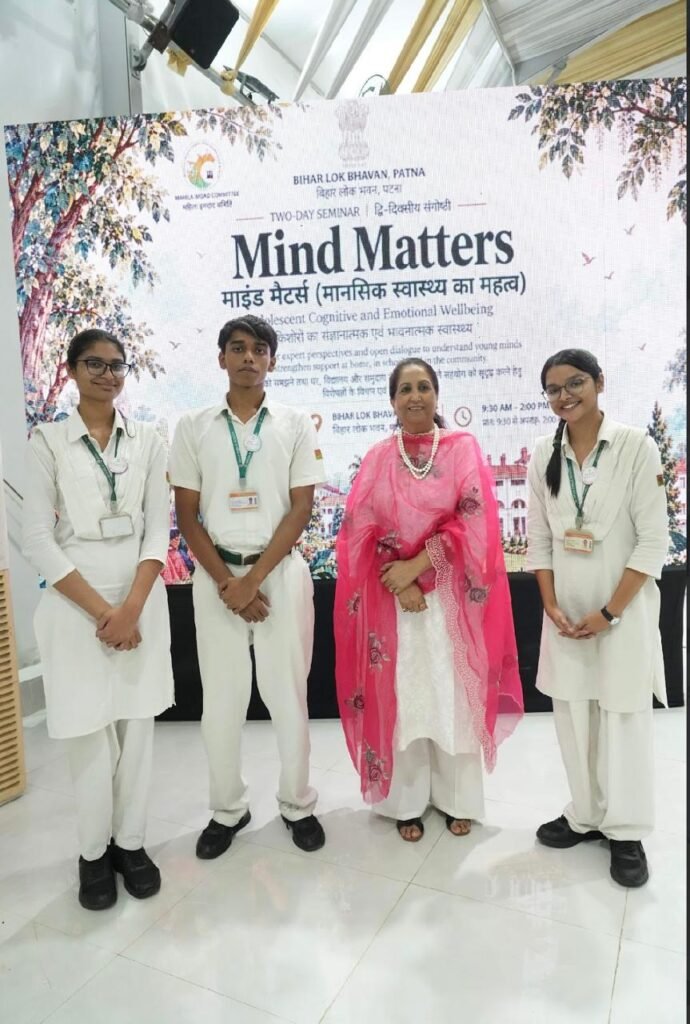
The seminar was conducted over two days, with participation from 25 schools across Patna.
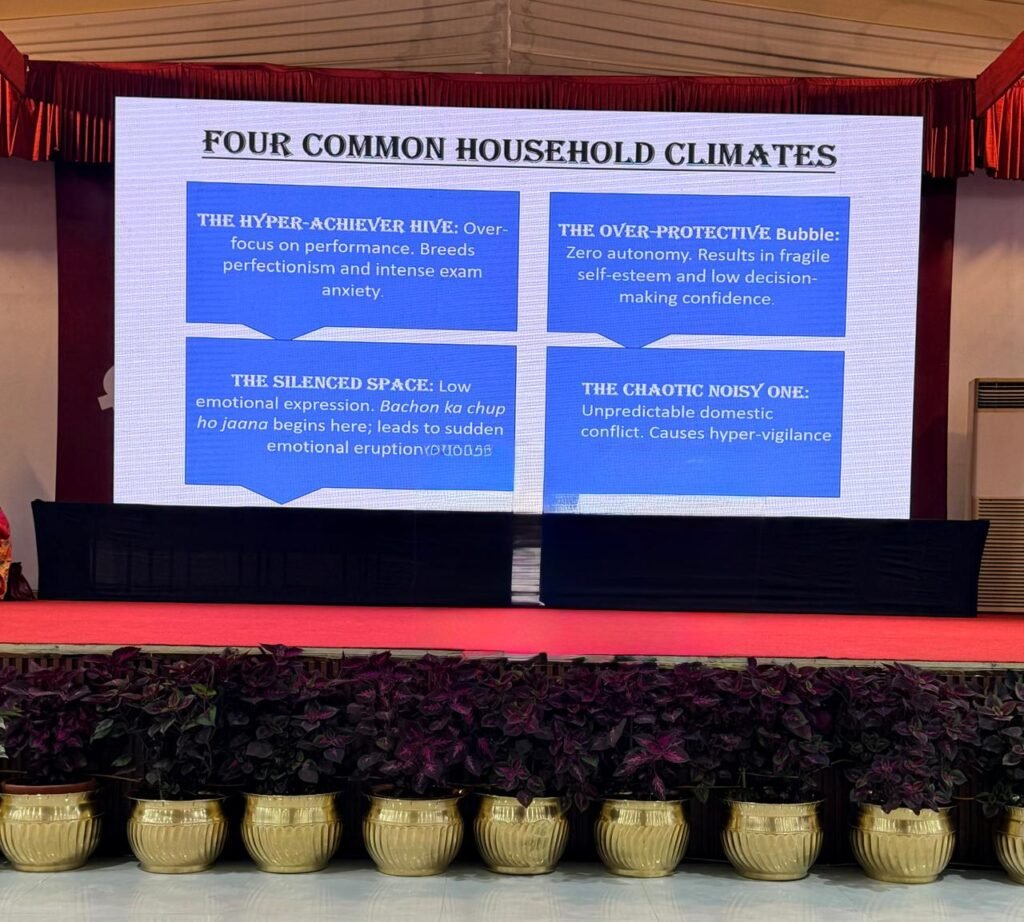
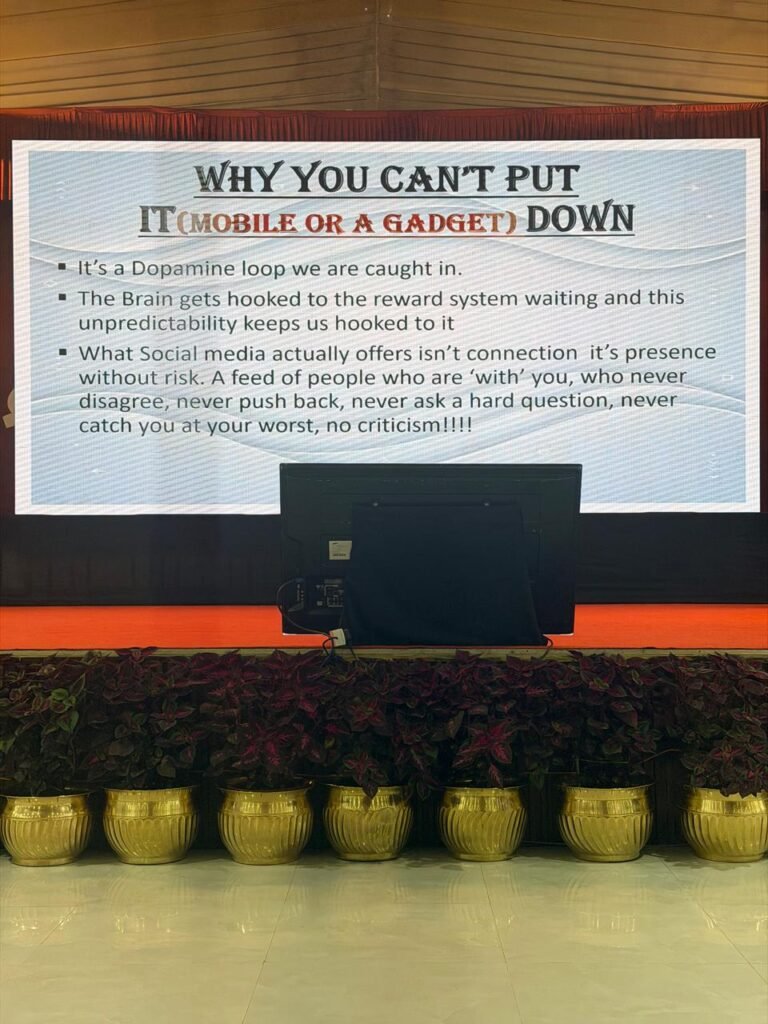
The first day was dedicated to parents, teachers and principals, focusing on the complexities of modern parenting, the challenges of raising adolescents in an increasingly digital and fast-paced world, and the delicate balance between discipline, independence and emotional support.
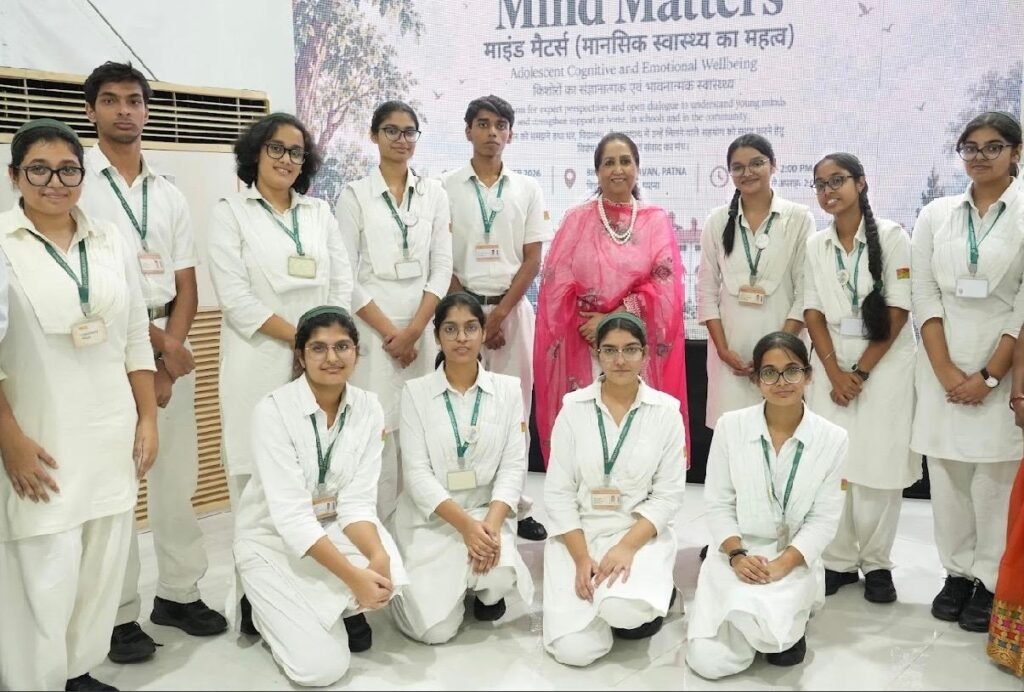
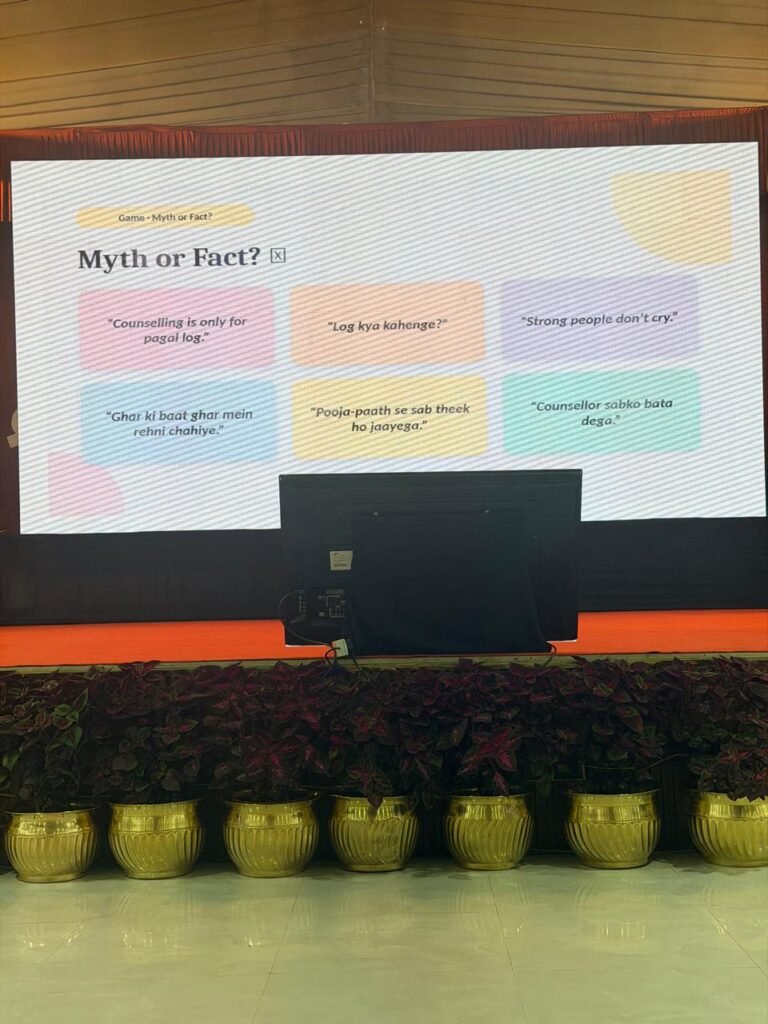
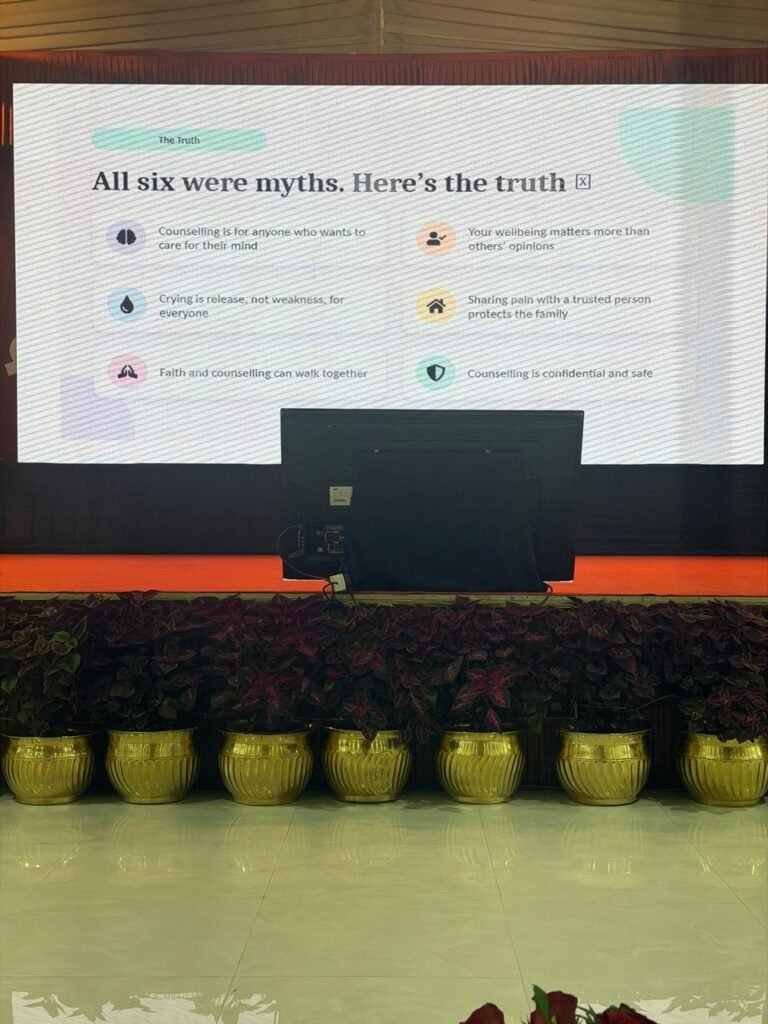
The second day brought together students of Classes XI and XII, aged 16–18 years, accompanied by their escort teachers. The discussions addressed the pressures of examinations, career choices, peer relationships and the emotional challenges that often accompany adolescence.
Children, parents and teachers benefited immensely from the participation of experienced doctors and mental health professionals from Patna, Delhi and Bengaluru, whose expertise and insights helped deepen the understanding of this important subject.
The distinguished experts who contributed to the seminar were:
- Dr. Shubhangi Singh – Consultant Psychiatrist, Patna
- Dr. Jayesh Ranjan – Director, BIMHANS, Koilwar
- Dr. Vinay Kumar – Consultant Psychiatrist, BIMHANS, Koilwar
- Dr. Puziegowba – Psychiatrist, BIMHANS, Koilwar
- Dr. Ravikesh Tripathi – Associate Professor, NIMHANS, Bengaluru
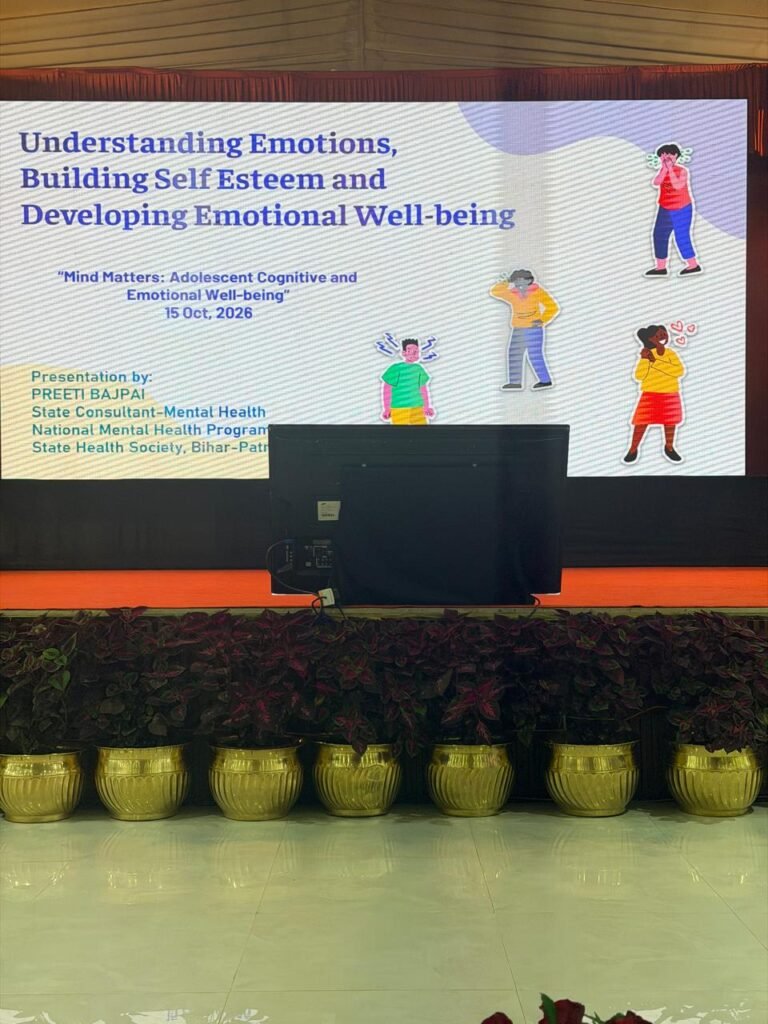
- Dr. Preeti Vajpayee – State Consultant, National Health Programme, State Health Society, Patna
Their informative presentations and thoughtful discussions helped parents, teachers and students better understand the emotional and psychological needs of young people.
One of the most significant takeaways from the first day was the realisation that parents, too, need understanding, guidance and supportive spaces as they navigate the changing emotional world of adolescents. Parenting today brings challenges that previous generations may not have encountered in quite the same way, making awareness, communication and mutual trust more important than ever.
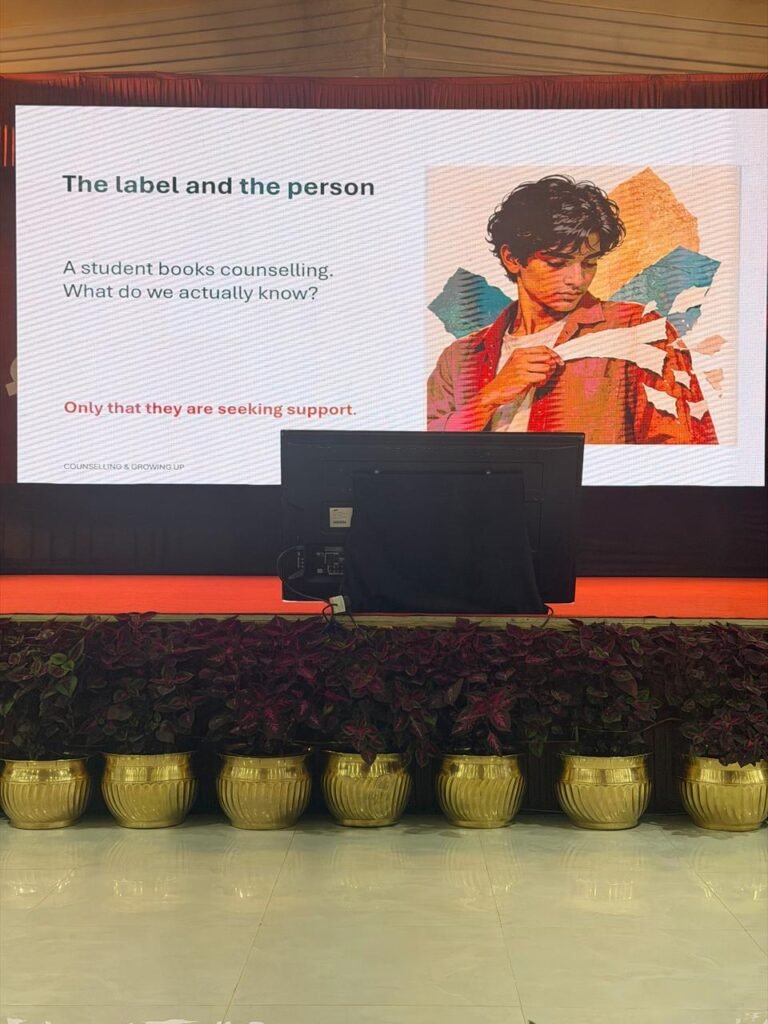
The second day was particularly moving. During the question-and-answer session, several students quietly approached the backstage area to submit their questions in writing. The number and nature of these questions offered a poignant glimpse into the fears, anxieties and concerns that many young people find difficult to express openly.
This experience reinforced an important message: when young people are offered a safe, supportive and non-judgmental space, they want to be heard. It is our responsibility as parents, educators and members of society to ensure that they have opportunities to speak without fear of criticism or rejection.
The seminar was a reminder that mental well-being cannot be addressed by any one individual or institution alone. It requires a supportive ecosystem involving families, schools, healthcare professionals and the wider community. Conversations about mental health must become a natural part of everyday life rather than something we address only when a crisis arises.
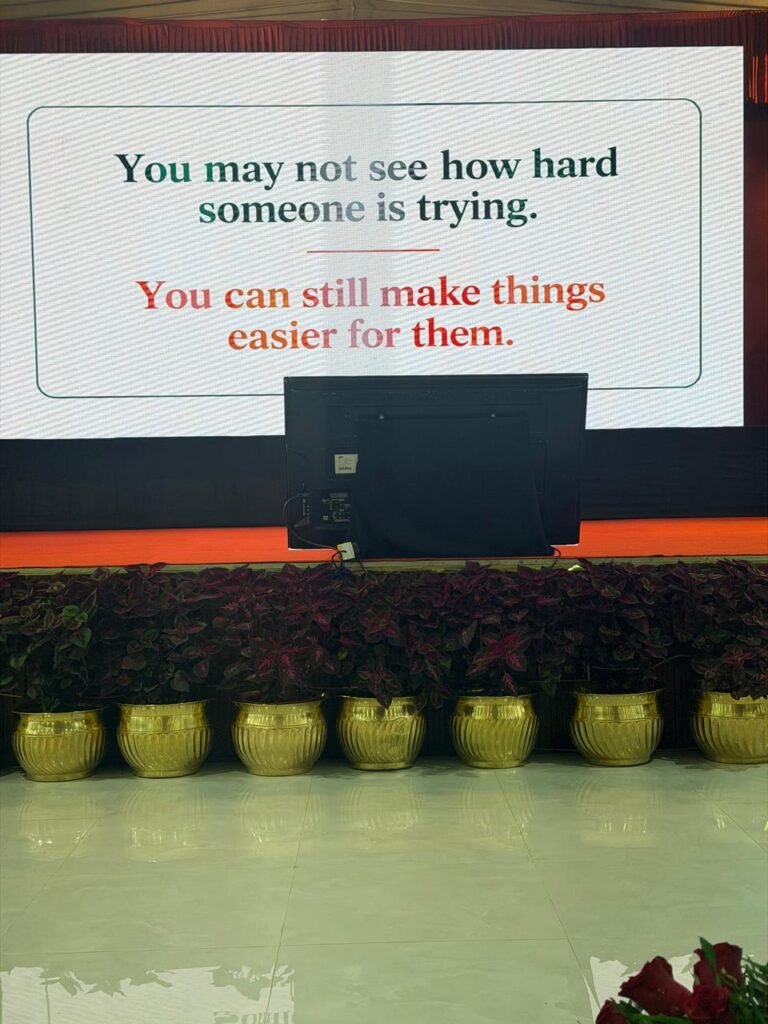
The most lasting impression was the trust and honesty shown by the students. We may not be able to shield our children from every difficulty, but we can ensure that they know they do not have to face their challenges alone.
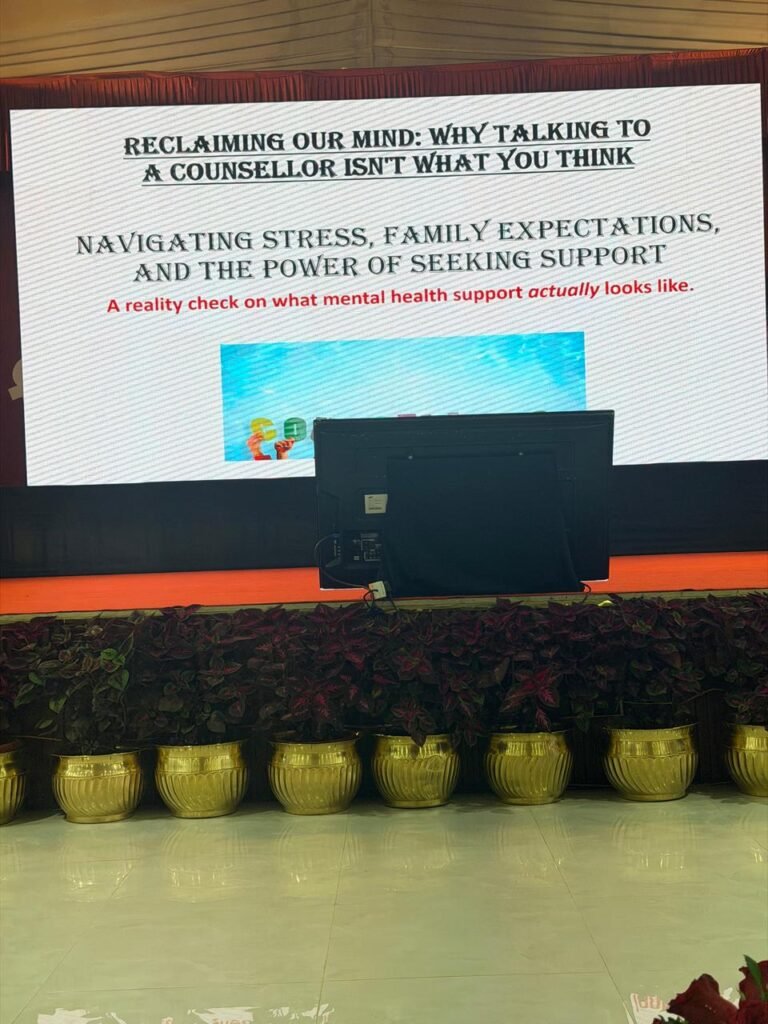
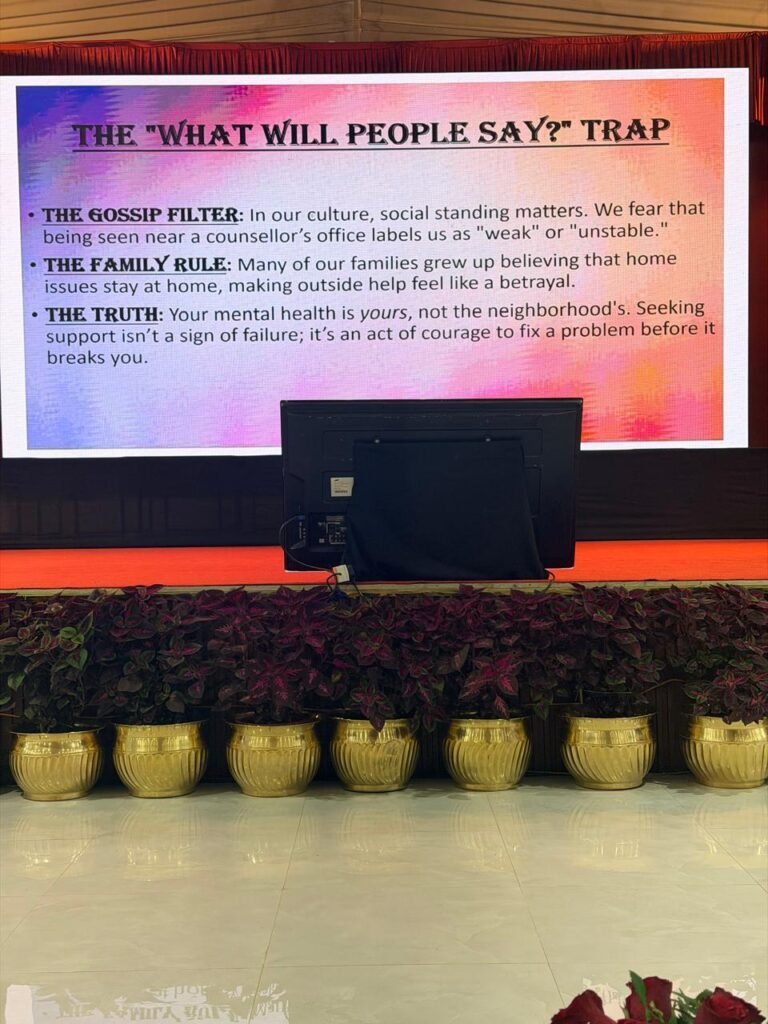
Through initiatives such as this, we hope to encourage greater awareness, reduce the stigma surrounding mental health and strengthen the support available to children, adolescents and their families.
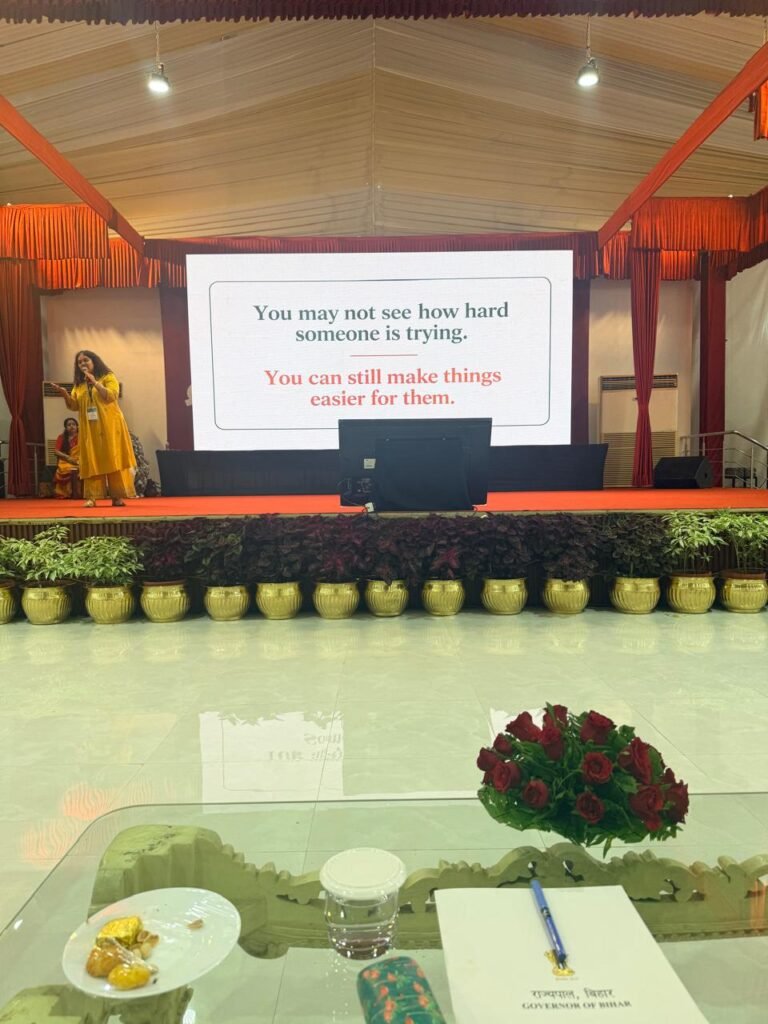
Sometimes, the most meaningful change begins with a simple question: “How are you really doing?”
And, more importantly, with the willingness to pause, listen and understand.
Because every child deserves not only the opportunity to succeed, but also the support to feel understood, valued and emotionally secure.